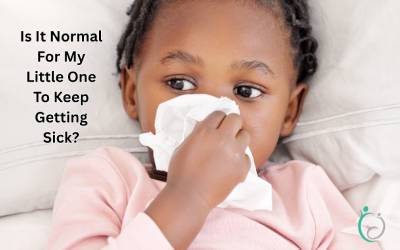


As the colder months settle in South Africa, so does flu season. For many families, this time of year can bring with it a wave of coughs, sniffles, and sleepless nights caring for little ones. Whether you are a parent trying to keep your little ones healthy or a woman navigating a busy life and caregiving responsibilities, it is important to stay informed and prepared.
Here is what you need to know to stay informed, protected, and prepared this winter.
When is Flu Season in South Africa?
In South Africa, this season typically begins in May and lasts through August, peaking during the colder months. While not every cough or cold is the flu, the influenza virus tends to spread more rapidly in winter. It can cause more serious illnesses than a typical seasonal cold, especially in young children and pregnant women.
Who is Most At Risk?
While anyone can get the flu, certain groups are more vulnerable to complications:
- Children under 5, especially those under 2 years old
- Pregnant women, particularly in the second and third trimesters
- People with chronic conditions such as asthma, diabetes, or heart disease
- Elderly adults and caregivers are exposed to multiple family members
Flu or Just a Cold? Know the Difference
Here is a quick comparison to help you spot the signs:
| Symptom | Common Cold | Influenza (flu) |
| Onset | Gradual | Sudden |
| Fever | Rare | Common (often high) |
| Cough | Mild | Moderate to severe |
| Body Aches | Uncommon | Common, can be severe |
| Fatigue | Mild | Moderate to severe |
| Runny Nose/ Sneezing | Common | Sometimes |
If your child or you develop a high fever, difficulty breathing, or persistent lethargy, it is important to seek medical attention.
How to Protect Yourself and Your Family
The best way to reduce your risk is by combining prevention, early action, and care.
1. Get Vaccinated
The flu vaccine is a safe and effective method, and it is strongly recommended for:
- Children over 6 months
- Pregnant women (it protects both you and your baby)
- Elderly or vulnerable family members
Vaccination limits your risk of getting the flu and helps prevent severe illness if you do.
2. Practice Everyday Hygiene
- Wash hands regularly
- Avoid sharing utensils or drinks
- Cough and sneeze into your elbow
- Stay home when sick
3. Support Immune Health
- Prioritise sleep, hydration, and nutrient-rich meals
- Avoid unnecessary stress, which can impact immunity
- Consider a daily multivitamin if recommended
What To Do If You or Your Child Gets the Flu
Most influenza cases can be managed at home with:
- Plenty of fluids
- Rest and warmth
- Age-appropriate fever management (e.g. paracetamol)
- Monitoring for any signs of worsening symptoms
Important: Do not give aspirin to children, and always check with your doctor before starting any medication during pregnancy.
A Final Word
Flu season does not have to be a time of stress and uncertainty. With the right information and a little preparation, you can protect yourself and those you care about.
If you are unsure whether your symptoms, or your child’s, might be the flu, or you would like to arrange a flu vaccine or wellness screening, Dr Claire Godwin and her associates are here to help. You can contact us or follow along for more tips on staying well this winter.